
Landing Page Mistakes Costing You Sales: A Digital Marketing Guide for Better Conversions

Landing Page
June 3, 2026 0 Comments 4 tags

In the world of digital marketing, getting visitors to your website is only half the battle. The real challenge is turning those visitors into customers.

Many businesses spend thousands on Facebook Ads, Google Ads, and SEO campaigns. They successfully drive traffic to their websites, but sales remain low. The reason is often simple: a poorly optimized landing page.

Your landing page is where potential customers decide whether to trust your business, take action, or leave forever. Even small mistakes can significantly impact your conversions and revenue.

Let’s explore the most common landing page mistakes that may be costing your business valuable sales and how to fix them.

Landing Page Mistakes Costing You Sales: A Digital Marketing Guide for Better Conversions

Why Landing Pages Matter in Digital Marketing

A landing page is designed with one goal: conversion.

Whether you want visitors to purchase a product, book a consultation, download a guide, or fill out a form, your landing page plays a critical role in your digital marketing success.

A great landing page creates trust, answers questions, and encourages action. A bad one sends visitors straight to your competitors.

1. Slow Page Loading Speed

People are impatient online.

If your landing page takes more than a few seconds to load, many visitors will leave before they even see your offer.

This is one of the most common problems in digital marketing campaigns.

How to Fix It

  • Compress large images.
  • Remove unnecessary plugins.
  • Use fast web hosting.
  • Optimize your website for mobile devices.

A faster page improves user experience and increases conversion rates.

2. Weak Headlines

Your headline is the first thing visitors notice.

If it doesn’t grab attention immediately, users may leave without reading further.

Many businesses use generic headlines that fail to communicate value.

Poor Example

“Welcome to Our Website”

Better Example

“Get More Leads and Sales With Proven Digital Marketing Strategies”

A strong headline clearly explains the benefit visitors will receive.

3. Too Much Information

Many landing pages overwhelm visitors with excessive text.

While information is important, people don’t want to read long walls of content before taking action.

In digital marketing, simplicity often wins.

How to Fix It

  • Use short paragraphs.
  • Add bullet points.
  • Highlight key benefits.
  • Keep messaging clear and focused.

Visitors should quickly understand what you’re offering and why it matters.

4. No Clear Call-to-Action

A landing page without a clear call-to-action is like a salesperson who never asks for the sale.

Visitors need guidance.

If they don’t know what action to take next, they will likely leave.

Effective Call-to-Action Examples

  • Get Started Today
  • Book a Free Consultation
  • Download Your Free Guide
  • Claim Your Offer Now

Strong calls-to-action are essential for successful digital marketing campaigns.

5. Poor Mobile Experience

Most internet users now browse on mobile devices.

Yet many businesses still design landing pages primarily for desktop users.

Buttons become difficult to click, text appears too small, and forms become frustrating to complete.

How to Fix It

  • Use responsive design.
  • Test pages on multiple devices.
  • Keep forms simple.
  • Ensure buttons are easy to tap.

Mobile optimization is no longer optional in modern digital marketing.

6. Asking for Too Much Information

Long forms often scare visitors away.

If you’re asking for unnecessary details, people may abandon the process before completing it.

Example

Instead of asking for:

  • Name
  • Email
  • Phone Number
  • Address
  • Company Name
  • Job Title
  • Industry
  • Annual Revenue

Start with:

  • Name
  • Email

The fewer barriers you create, the higher your conversion rates will be.

7. Lack of Trust Signals

People buy from businesses they trust.

If visitors cannot quickly verify your credibility, they may hesitate to take action.

Trust is one of the most powerful factors in digital marketing.

Trust Signals Include

  • Customer testimonials
  • Reviews
  • Case studies
  • Client logos
  • Security badges
  • Industry certifications

These elements help reassure potential customers that your business is legitimate.

8. Inconsistent Messaging

Many businesses create ads with one message and landing pages with a completely different message.

This creates confusion.

For example, if your Facebook Ad promises a free consultation, visitors should immediately see information about that consultation on the landing page.

Consistency improves user experience and strengthens your digital marketing strategy.

9. Poor Quality Images

Visuals have a major impact on first impressions.

Blurry, outdated, or generic stock photos can make your business look unprofessional.

How to Fix It

  • Use high-quality images.
  • Showcase real customers when possible.
  • Display your team or products.
  • Use visuals that support your message.

Authentic images often perform better than generic stock photography.

10. Ignoring A/B Testing

One of the biggest mistakes in digital marketing is assuming your first version is the best version.

Even small changes can dramatically improve conversions.

Test Elements Such As

  • Headlines
  • Button text
  • Images
  • Form length
  • Colors
  • Page layout

Continuous testing helps identify what resonates most with your audience.

How a High-Converting Landing Page Benefits Your Business

A well-designed landing page can transform your marketing results.

Benefits include:

  • Higher conversion rates
  • Lower advertising costs
  • More qualified leads
  • Better customer experience
  • Increased sales and revenue

Even small improvements can generate significant returns over time.

Final Thoughts

Your landing page is often the most important part of your digital marketing funnel.

You can have the best advertising campaign in the world, but if your landing page fails to convert visitors, your marketing budget will be wasted.

By avoiding common mistakes such as slow loading speeds, weak headlines, poor mobile design, confusing messaging, and lack of trust signals, you can create a landing page that turns visitors into customers.

Successful digital marketing is not just about getting traffic. It’s about creating a seamless experience that guides people toward taking action.

Optimize your landing page, test regularly, and focus on the customer experience. The results can have a direct impact on your business growth and sales.

SEO Meta Title: Landing Page Mistakes Costing You Sales | Digital Marketing Guide

Meta Description: Discover the most common landing page mistakes that hurt conversions and sales. Learn how to improve your digital marketing results with a high-converting landing page.
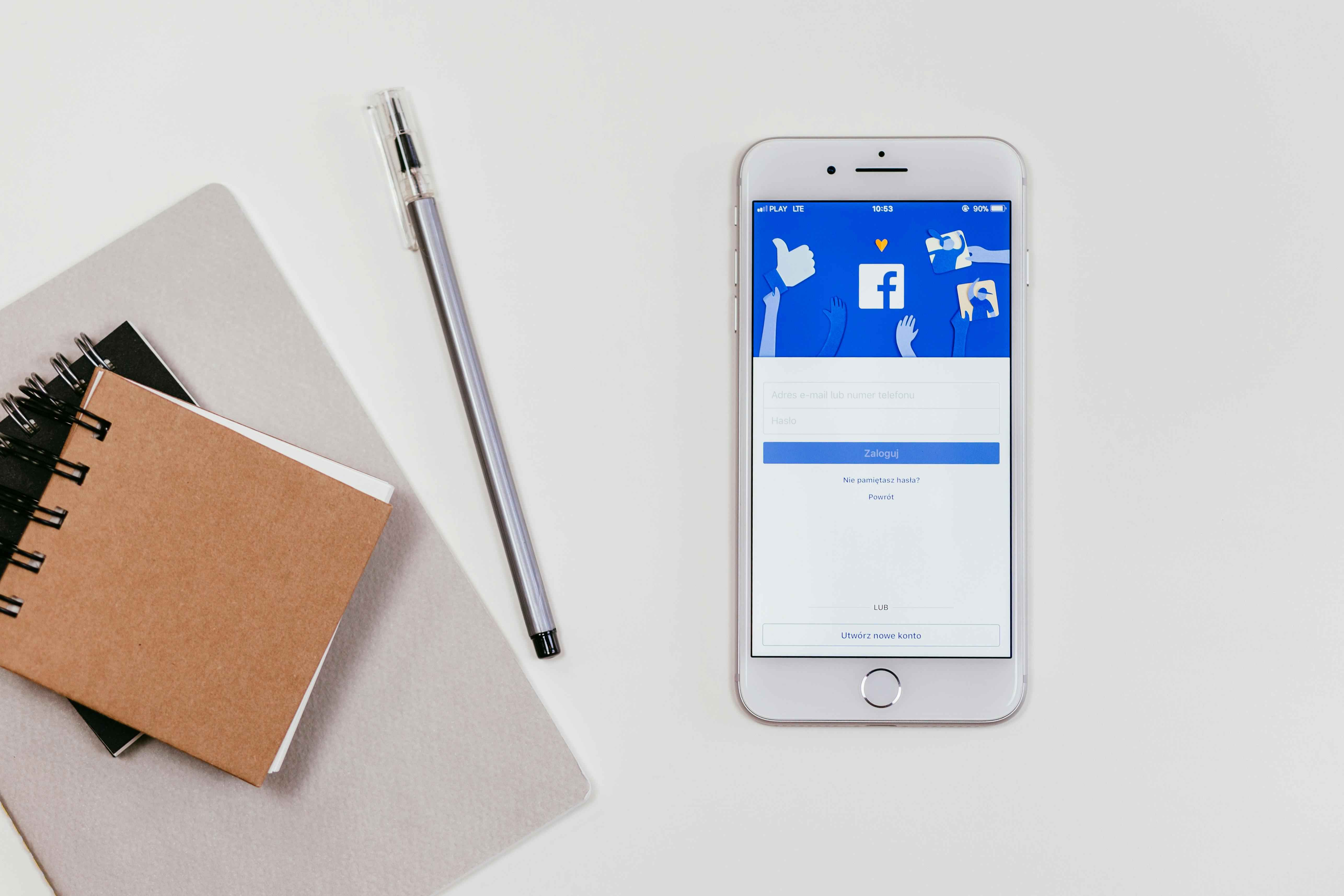

Why Most Facebook Ads Fail Within the First 7 Days: A Digital Marketing Guide for Business Growth

Facebook Ads Fail
June 2, 2026 0 Comments 4 tags

Why Most Facebook Ads Fail Within the First 7 Days: A Digital Marketing Guide for Business Growth

Facebook remains one of the most powerful platforms in digital marketing. Every day, millions of businesses use Facebook Ads to reach potential customers, generate leads, and increase sales.

Yet, many business owners face the same frustrating problem. They launch a Facebook ad campaign with high expectations, only to see poor results within the first week. The clicks are low, leads are expensive, and sales never arrive.

If this sounds familiar, you’re not alone.

Understanding why Facebook Ads fail within the first seven days can help you avoid costly mistakes and build a stronger digital marketing strategy for your business.

Why the First 7 Days Matter in Digital Marketing

The first week of a Facebook ad campaign is critical. During this period, Facebook’s algorithm is learning about your audience and determining who is most likely to engage with your ads.

Many advertisers panic when they don’t see immediate results. They make sudden changes, increase budgets randomly, or stop campaigns altogether.

In digital marketing, patience and proper optimization are often the difference between success and failure.

Let’s explore the most common reasons Facebook Ads fail during the first seven days.

1. Targeting the Wrong Audience

One of the biggest mistakes in digital marketing is targeting everyone.

Many businesses believe that a larger audience means better results. In reality, broad targeting often leads to wasted ad spend.

For example, if you’re selling fitness coaching services, your ads should focus on people interested in fitness, health, weight loss, or workout programs.

The more relevant your audience, the better your campaign performance.

How to Fix It

  • Create detailed customer profiles.
  • Use interest-based targeting.
  • Build custom audiences from website visitors.
  • Retarget people who have interacted with your business.

2. Weak Ad Creatives

People scroll through hundreds of posts every day. Your ad has only a few seconds to grab attention.

Poor-quality images, boring videos, and generic designs often cause Facebook Ads to fail quickly.

In digital marketing, visual content plays a huge role in capturing attention.

How to Fix It

  • Use high-quality images.
  • Create short, engaging videos.
  • Highlight a problem and solution.
  • Test multiple creative variations.

Strong creatives can significantly improve engagement and reduce advertising costs.

3. Unclear Ad Copy

Even great visuals cannot save an ad with confusing messaging.

Many businesses focus too much on product features and forget to explain the value customers will receive.

Successful digital marketing focuses on customer benefits rather than business achievements.

How to Fix It

Instead of saying:

“We provide advanced marketing solutions.”

Say:

“Get more leads and customers without increasing your advertising budget.”

Simple and direct messaging usually performs better.

4. No Clear Call-to-Action

A surprising number of Facebook Ads fail because users don’t know what to do next.

After viewing your ad, people should immediately understand the next step.

Whether it’s booking a consultation, visiting a website, or making a purchase, clarity is essential.

How to Fix It

Use action-oriented phrases such as:

  • Learn More
  • Get Started
  • Book a Free Consultation
  • Shop Now
  • Download Today

A clear call-to-action improves conversions and strengthens your digital marketing efforts.

5. Sending Traffic to a Poor Landing Page

Many advertisers focus heavily on the ad itself and completely ignore the landing page.

Even if your Facebook ad performs well, visitors will leave if your website is slow, confusing, or difficult to navigate.

This creates a major disconnect in your digital marketing funnel.

How to Fix It

  • Improve page loading speed.
  • Make mobile optimization a priority.
  • Keep forms short and simple.
  • Match landing page content with ad messaging.

A smooth user experience can dramatically improve conversion rates.

6. Unrealistic Expectations

One of the most common reasons businesses quit Facebook advertising too early is unrealistic expectations.

Many people expect instant sales within a few days.

The truth is that successful digital marketing often requires testing, learning, and optimization.

Facebook needs data before it can effectively deliver your ads to the right audience.

How to Fix It

Allow campaigns enough time to collect performance data.

Instead of judging results after one or two days, analyze performance after a reasonable testing period.

Consistent optimization usually produces better long-term outcomes.

7. Ignoring Data and Analytics

Facebook provides valuable insights into campaign performance.

Unfortunately, many advertisers only look at likes and comments while ignoring important metrics.

Effective digital marketing decisions are based on data, not assumptions.

Key Metrics to Track

  • Click-Through Rate (CTR)
  • Cost Per Click (CPC)
  • Cost Per Lead (CPL)
  • Conversion Rate
  • Return on Ad Spend (ROAS)

Regular monitoring helps identify problems before they become expensive.

Why Facebook Ads Can Be Great for Your Business

Despite the challenges, Facebook Ads remain one of the most effective digital marketing tools available today.

They allow businesses to:

  • Reach highly targeted audiences.
  • Generate qualified leads.
  • Increase brand awareness.
  • Retarget interested customers.
  • Scale marketing campaigns efficiently.

When managed correctly, Facebook Ads can deliver impressive returns for businesses of all sizes.

The key is understanding that success rarely happens by accident.

Final Thoughts

Most Facebook Ads fail within the first seven days because of poor audience targeting, weak creatives, unclear messaging, unrealistic expectations, and a lack of optimization.

The good news is that these mistakes can be fixed.

A successful digital marketing strategy focuses on understanding customers, testing different approaches, analyzing data, and continuously improving performance.

Instead of giving up after a few days, treat your Facebook Ads as a learning process. Small improvements over time can lead to better engagement, lower costs, and stronger business growth.

With the right digital marketing approach, Facebook Ads can become one of the most profitable channels for attracting customers and growing your business.

This version is optimized for SEO with the focus keyword digital marketing appearing naturally throughout the title, introduction, H2/H3 headings, and body content without keyword stuffing.

Best Performance Marketing vs Worst Brand Marketing in 2026

Google
April 23, 2026 0 Comments 4 tags

In 2026, Performance Marketing is more advanced, competitive, and data-driven than ever before. Businesses are no longer choosing between Performance Marketing and brand marketing—they are learning how to balance both Performance Marketing vs Brand Marketing in 2026.

If you want long-term success in digital marketing, you need to understand how these two strategies work and when to use them.

What is Performance Marketing?

Performance marketing is all about measurable results. In digital marketing, this means you only pay when a specific action happens.

These actions include:

  • Clicks
  • Leads
  • Sales
  • App installs

Common performance marketing channels include paid ads, search engine marketing, and social media advertising.

The main goal here is simple: get immediate results.

What is Brand Marketing?

Brand marketing focuses on building awareness, trust, and emotional connection.

In Performance Marketing, brand marketing helps people:

  • Recognize your business
  • Trust your products or services
  • Remember you when they are ready to buy

This includes content marketing, storytelling, social media presence, and consistent messaging.

The goal is long-term growth, not instant conversions.

The Key Difference in 2026

The biggest difference in digital marketing today is how these strategies are used.

  • Performance marketing = Short-term results
  • Brand marketing = Long-term value

However, relying only on one is risky. Performance marketing can bring quick sales, but without brand trust, results won’t last. On the other hand, brand marketing builds loyalty but takes time.

Why Performance Marketing Still Works

Performance marketing remains a powerful part of digital marketing in 2026.

With AI-driven tools, marketers can:

  • Target the right audience
  • Optimize campaigns in real time
  • Reduce wasted ad spend

It is especially useful for:

  • Startups needing quick growth
  • Product launches
  • Testing new offers

But there is a limitation—once you stop spending, results often stop too.


Performance Marketing Trends

https://www.bluewinston.com/new-performance-marketing-trends-for-2025/?msclkid=bb5bb044c2b618da3eb5d9ad1c0da256

Why Brand Marketing is More Important Than Ever

In today’s crowded digital marketing space, trust is everything.

Users are exposed to thousands of ads daily. They don’t click unless they recognize and trust the brand.

Brand marketing helps you:

  • Stand out from competitors
  • Build emotional connection
  • Increase customer loyalty

In 2026, strong brands win more than aggressive advertisers.

The Role of AI in Both Strategies

AI is transforming both areas of digital marketing.

  • AI improves targeting and bidding
  • Automates ad optimization
  • Increases ROI

For brand marketing:

  • AI helps create content faster
  • Personalizes user experiences
  • Analyzes audience behavior

But AI alone is not enough. Strategy and creativity still matter.

The Best Strategy: Combine Both

The smartest approach in digital marketing today is to combine

Here’s how they work together:

  • Brand marketing builds trust
  • Performance marketing drives action

For example:

  • A user sees your content (brand awareness)
  • Later clicks your ad (performance)
  • Then makes a purchase

This combined strategy delivers better and more sustainable results.

Focus on Customer Journey

In 2026, digital marketing is all about the customer journey.

You need to:

  • Attract attention (brand marketing)
  • Build interest (content & engagement)
  • Drive action

Ignoring any stage can reduce your overall success.

Metrics That Matter

Each strategy uses different metrics in digital marketing.

  • Cost per click (CPC)
  • Conversion rate
  • Return on ad spend (ROAS)

Brand marketing focuses on:

  • Brand awareness
  • Engagement
  • Customer loyalty

Tracking both gives a complete picture of your growth.


“If you want to learn more about Marketing

https://digitalrichii.in/content-marketing-how-to-build-authority-in-your/

Final Thoughts

Performance marketing vs brand marketing is no longer a debate in 2026. In modern digital marketing, both are essential.

Performance marketing gives you quick wins. Brand marketing builds long-term success.

If you only focus on short-term results, you may struggle later. If you only focus on branding, growth may be slow.

The key is balance.

In the evolving world of digital marketing, businesses that combine strategy, data, and creativity will achieve the best results.