SEO Trends You Can’t Ignore in 2026

SEO
July 6, 2026 0 Comments 4 tags

If you want your website to rank higher on Google, understanding SEO Trends 2026 is more important than ever. Search engines are changing rapidly, and businesses that keep up with the latest SEO practices will have a clear advantage over their competitors.

Gone are the days when simply adding keywords to a page was enough. Today, Google focuses on user experience, helpful content, and trust. Whether you’re a small business owner, blogger, or digital marketer, staying updated with SEO Trends 2026 will help you attract more visitors and grow your online presence.

Let’s explore the biggest SEO trends that you simply can’t ignore this year.

Why SEO Trends 2026 Matter

Search engine optimization is constantly evolving. Every Google update changes how websites are ranked, making it essential to adapt your strategy.

Following SEO Trends 2026 helps you improve visibility, increase organic traffic, and reach the right audience. Businesses that ignore these changes risk losing rankings and valuable customers.

The good news is that most of these trends focus on creating better experiences for users, which benefits both businesses and customers.

1. AI-Powered Search Is Changing Everything

Artificial intelligence is now a major part of Google’s search experience. AI-generated search results and summaries provide users with quick answers before they even click on a website.

This means your content should answer questions clearly, provide accurate information, and offer value beyond simple definitions.

Creating detailed, helpful, and trustworthy content is one of the biggest SEO Trends 2026.

2. Helpful Content Always Wins

Google continues to reward content written for people instead of search engines.

Rather than stuffing keywords into every paragraph, focus on solving real problems. Write naturally, answer common questions, and share useful insights.

Helpful content builds trust and encourages visitors to stay on your website longer.

3. User Experience Is More Important Than Ever

A beautiful website is no longer enough. Visitors expect pages to load quickly, work perfectly on mobile devices, and be easy to navigate.

Improving page speed, reducing unnecessary pop-ups, and creating a clean layout are all important parts of SEO Trends 2026.

Happy visitors are more likely to stay, explore, and become customers.

4. Search Intent Is the New Keyword Strategy

Instead of focusing only on keywords, understand what users actually want when they search.

For example, someone searching for “best DSLR camera for beginners” wants recommendations, not just technical information.

Matching your content with user intent improves rankings and provides a better experience for readers.

5. Voice Search Continues to Grow

More people are using voice assistants to search online.

Voice searches are usually longer and more conversational. Instead of typing “best SEO agency,” users may ask, “Which SEO agency is best for a small business?”

Optimizing for natural language is becoming an essential part of SEO Trends 2026.

6. Video Content Supports Better Rankings

Video continues to dominate online content.

Adding videos to blog posts increases engagement and keeps visitors on your website longer. Google often displays videos directly in search results, giving your content additional visibility.

Simple tutorials, product demonstrations, and educational videos can strengthen your SEO strategy.

7. E-E-A-T Builds Trust

Google values websites that demonstrate Experience, Expertise, Authoritativeness, and Trustworthiness (E-E-A-T).

Show your expertise by publishing accurate information, citing reliable sources when appropriate, and maintaining updated content.

Adding author profiles, customer reviews, and genuine case studies also helps build credibility.

8. Local SEO Remains Essential

For businesses serving local customers, Local SEO is still one of the most valuable SEO Trends 2026.

Keep your Google Business Profile updated, collect customer reviews, and ensure your business information remains consistent across all online directories.

Local optimization helps nearby customers find your business more easily.

9. High-Quality Backlinks Still Matter

Backlinks remain one of Google’s strongest ranking signals.

Instead of chasing hundreds of low-quality links, focus on earning backlinks from trusted and relevant websites.

Publishing original research, detailed guides, and valuable resources naturally attracts quality links over time.

10. Regular Content Updates Improve Rankings

Publishing great content is only the beginning.

Review older articles regularly and update outdated information, statistics, screenshots, and examples.

Fresh content signals to Google that your website remains active and relevant, improving your long-term SEO performance.

Simple Tips to Follow SEO Trends 2026

Keeping up with SEO doesn’t have to be complicated. Start with these practical steps:

  • Write helpful and original content.
  • Improve website speed.
  • Optimize for mobile users.
  • Understand user search intent.
  • Include relevant keywords naturally.
  • Add images and videos where appropriate.
  • Build quality backlinks.
  • Update existing blog posts regularly.
  • Focus on user experience.
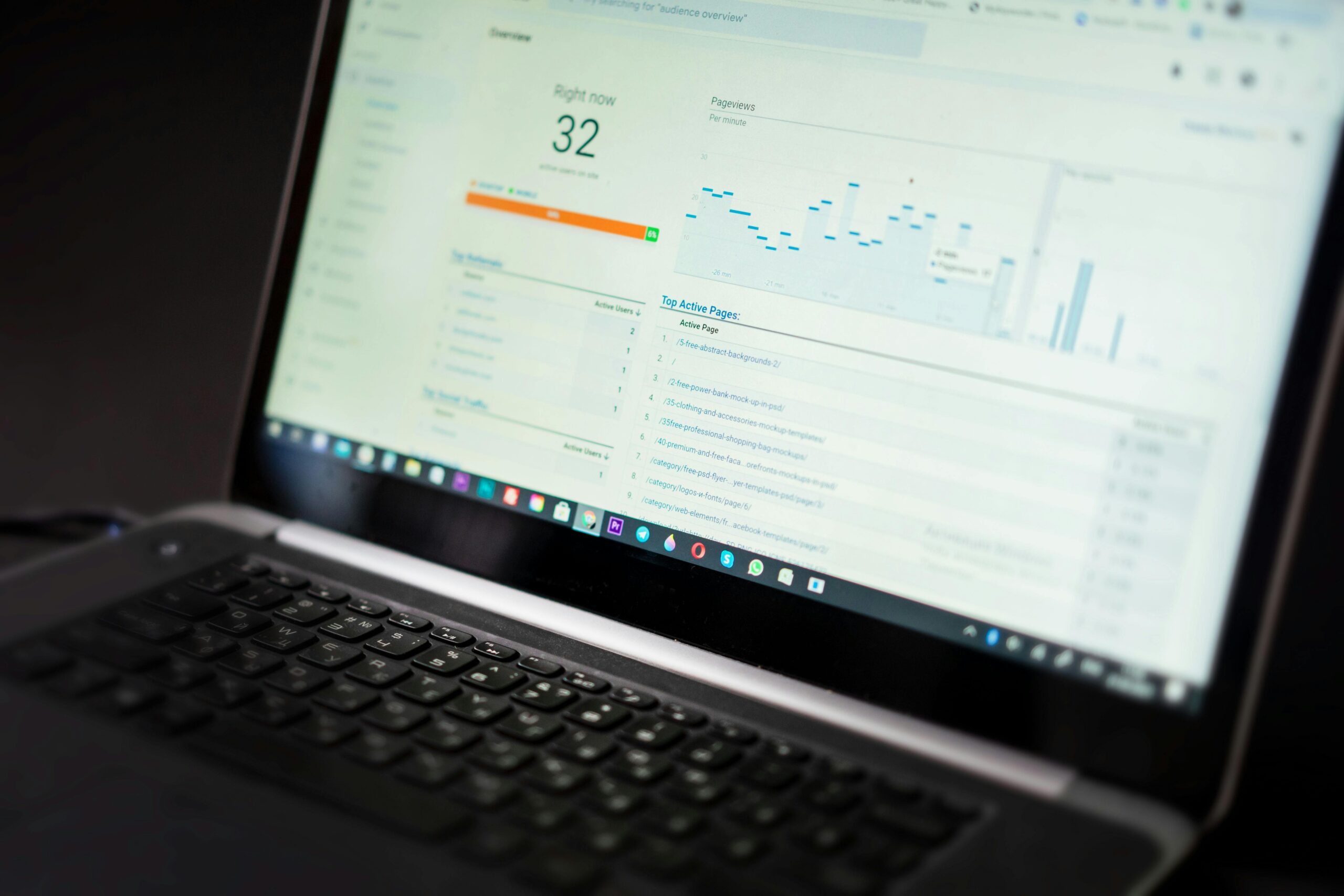
  • Track your SEO performance with analytics tools.

Small improvements made consistently often produce better results than trying to change everything at once.

Common SEO Mistakes to Avoid

Many websites still lose rankings because of simple mistakes.

Avoid copying content from other websites, using too many keywords, ignoring mobile optimization, publishing thin articles, or neglecting technical SEO.

Remember that Google’s goal is to provide users with the best possible answers. If your content genuinely helps readers, you’re already moving in the right direction.

Final Thoughts

The biggest SEO Trends 2026 all point toward one goal: creating better experiences for users. Search engines are becoming smarter, and they reward websites that offer valuable, trustworthy, and easy-to-understand content.

Instead of looking for shortcuts, invest your time in producing quality articles, improving your website’s performance, and understanding what your audience truly needs.

SEO is a long-term strategy, but businesses that follow consistently will build stronger online visibility, attract more organic traffic, and stay ahead of the competition for years to come.

Zero-Click Search: Why It Is the Future of Digital Marketing for Your Business

Zero-Click Search
May 30, 2026 0 Comments 5 tags

In today’s fast-changing digital marketing world, businesses are fighting harder than ever to get attention online. But something big has changed recently — people are searching on Google without actually clicking on websites. This trend is called Zero-Click Search, and it is transforming the future of digital marketing.

If your business still depends only on traditional SEO methods, you may already be losing traffic without realizing it. Understanding Zero-Click Search can help your business stay visible, build trust, and grow faster in the modern digital space.

What is Zero-Click Search?

Zero-Click Search happens when users get the answer to their question directly on the search results page without opening any website.

For example:

  • Weather updates
  • Business hours
  • Definitions
  • Quick tips
  • Google Maps results
  • Featured snippets
  • AI-generated answers

Google now tries to answer user questions instantly. Because of this, users often do not need to click on any website.

This shift is changing how digital marketing works for businesses worldwide.

Why Zero-Click Search is Growing Fast

People want quick answers. Nobody wants to open five websites just to find simple information.

Google understands user behavior very well. That’s why it now shows:

  • AI summaries
  • Featured snippets
  • FAQ boxes
  • Knowledge panels
  • Local business results

Mobile users especially prefer fast answers because scrolling through websites takes more time.

This is why Zero-Click Search is becoming one of the biggest trends in digital marketing.

How Zero-Click Search Affects Businesses

Many businesses think fewer clicks mean fewer customers. But that is not always true.

Zero-Click Search can actually help your business if you use the right digital marketing strategy.

Here’s how:

1. More Brand Visibility

Even if users do not click your website, they still see your business name.

If your content appears in featured snippets or AI search answers, your brand becomes more recognizable.

People trust brands they repeatedly see online.

2. Better Authority and Trust

When Google selects your content as a direct answer, it signals that your business is trustworthy.

This builds credibility in your industry and improves your overall digital marketing performance.

3. Improved Local Reach

Local businesses benefit massively from Zero-Click Search.

When someone searches:
“Best cafe near me”
or
“Digital marketing agency nearby”

Google often shows maps, reviews, phone numbers, and business profiles instantly.

This helps customers contact businesses directly without visiting websites.

Why Zero-Click Search is Important for Digital Marketing

Traditional SEO focused mainly on getting clicks.

Modern digital marketing focuses more on visibility, trust, and user experience.

Today, businesses must optimize for:

  • Search visibility
  • Voice search
  • AI-generated results
  • Featured snippets
  • Google Business Profile

The goal is no longer only website traffic.

The real goal is becoming the most visible and trusted brand in your niche.

How to Optimize for Zero-Click Search

Businesses must adapt their digital marketing strategy to stay competitive.

Here are some effective methods:

Use Simple and Clear Answers

Google prefers content that directly answers user questions.

Write short paragraphs and easy-to-understand explanations.

Avoid complicated language.

Target Question-Based Keywords

People search in question form like:

  • What is digital marketing?
  • How does SEO work?
  • Why is Zero-Click Search important?

Adding these questions naturally improves your chances of appearing in snippets.

Optimize Your Google Business Profile

For local businesses, this is extremely important.

Keep your:

  • Address
  • Phone number
  • Photos
  • Reviews
  • Working hours

updated regularly.

This increases your visibility in local digital marketing searches.

Create FAQ Sections

FAQ sections help Google understand your content better.

They also increase your chances of appearing in featured results.

Focus on Mobile Experience

Most Zero-Click searches happen on mobile devices.

Your website should:

  • Load fast
  • Be mobile-friendly
  • Have clean design
  • Use readable fonts

Good mobile optimization improves your entire digital marketing performance.

The Role of AI in Zero-Click Search

Artificial Intelligence is making Zero-Click Search even more powerful.

Search engines now use AI to:

  • Summarize websites
  • Generate quick answers
  • Recommend businesses
  • Understand user intent

Because of AI, businesses need smarter digital marketing strategies.

Content should now focus on:

  • Real value
  • Helpful answers
  • Human experience
  • Authentic information

Generic content no longer works.

Is Website Traffic Still Important?

Yes, absolutely.

Website traffic still matters for:

  • Sales
  • Lead generation
  • Email signups
  • Customer trust

But modern digital marketing is no longer only about clicks.

It is about being visible everywhere your audience searches.

A business that appears consistently in search results builds stronger long-term trust.

Future of Digital Marketing with Zero-Click Search

Zero-Click Search is not a temporary trend.

It is becoming the future of search engines.

Businesses that adapt early will have a huge advantage over competitors.

The future of digital marketing will focus on:

  • Brand authority
  • Search visibility
  • AI optimization
  • User intent
  • Helpful content

Companies that create valuable and human-centered content will continue growing online.

Final Thoughts

Zero-Click Search is changing the rules of digital marketing.

Instead of worrying only about website clicks, businesses should focus on becoming more visible, trustworthy, and useful online.

The brands that answer user questions quickly and clearly will dominate future search results.

If your business wants to stay ahead in the competitive digital world, now is the perfect time to adapt your digital marketing strategy for Zero-Click Search.

The future belongs to businesses that understand visibility is the new traffic.

7 Powerful SEO Strategies to Rank #1 on Google

Google Ads
April 28, 2026 0 Comments 4 tags

Ranking on Google isn’t luck—it’s strategy. With constant algorithm updates and increasing competition, basic SEO is no longer enough. If you want your website to appear on the first page (and stay there), you need smart, consistent, and data-driven techniques.

Here are 7 powerful SEO strategies that can help you move toward the #1 spot on Google.


1. Focus on Search Intent, Not Just Keywords

Most beginners make one mistake—they chase keywords, not intent.

Google’s goal is to show users the most relevant result. So instead of stuffing your content with keywords, understand what the user actually wants.

  • Informational (learn something)
  • Navigational (find a website)
  • Transactional (buy or take action)

Pro tip: Search your keyword on Google and analyze top results. Match your content style (blog, list, guide) accordingly.


2. Use Smart Keyword Placement

Keywords still matter—but placement matters more.

Make sure your main keyword appears in:

  • Title (H1)
  • First 100 words
  • Subheadings (H2, H3)
  • Meta description
  • URL

Avoid overstuffing. Keep it natural and readable. Google is smarter than ever.


3. Create High-Quality, Valuable Content

Content is still king—but only if it’s useful.

Your content should:

  • Solve a real problem
  • Be easy to read (short paragraphs, simple language)
  • Provide actionable insights

Long-form content (600–1500 words) tends to rank better because it covers topics in depth.

Ask yourself: Would someone bookmark or share this?


4. Optimize On-Page SEO Elements

On-page SEO is where you directly control how both Google and users experience your content. When done right, it not only improves rankings but also increases clicks and engagement.

Let’s break down the most important elements in a deeper, practical way:


1. Title Tags (Your First Impression on Google)

Your title tag is what users see on search results—so it needs to grab attention instantly.

Best practices:

  • Keep it under 60 characters
  • Place your main keyword at the beginning
  • Add numbers, power words, or emotion triggers

Example:
Instead of: SEO Tips for Beginners
Use: 7 Powerful SEO Tips to Rank #1 on Google (2026 Guide)

A strong title increases your CTR (click-through rate), which directly impacts rankings.


2. Meta Descriptions (Your Mini Sales Pitch)

Meta descriptions don’t directly affect rankings—but they decide whether users click or ignore your page.

Best practices:

  • Keep it between 140–160 characters
  • Include your main keyword naturally
  • Add a clear benefit or hook

Example:
“Discover 7 powerful SEO strategies to rank #1 on Google and drive massive organic traffic. Start growing your website today!”

Think of it as an ad copy for your blog.


3. Image Alt Text (Hidden SEO Power)

Search engines can’t “see” images, so they rely on alt text to understand them.

Best practices:

  • Describe the image clearly
  • Add keywords naturally (no stuffing)
  • Keep it short and relevant

Example:
Instead of: image1.jpg
Use alt text: SEO keyword research strategy on laptop screen

This also improves accessibility and helps you rank in Google Images.


4. Internal Linking (Boost Authority Across Your Site)

Internal links connect your content and guide both users and search engines.

Why it matters:

  • Helps Google discover more pages
  • Distributes SEO value (link juice)
  • Keeps users on your site longer

Best practices:

  • Link to relevant blogs only
  • Use keyword-rich anchor text (not “click here”)
  • Add 2–5 internal links per blog

Example:
Instead of: Click here to learn more
Use: Check out our guide on Instagram growth strategies


5. Proper Heading Structure (H1, H2, H3)

Headings make your content easy to read and help Google understand structure.

Best practices:

  • Use one H1 (main title)
  • Break content into H2 and H3 sections
  • Include keywords naturally in headings

This improves both SEO + readability, especially for mobile users.


6. URL Structure (Clean & Keyword-Rich)

Your URL should be simple and easy to understand.

Best practices:

  • Keep it short
  • Include your main keyword
  • Avoid unnecessary numbers or symbols

Example:
Bad: website.com/p=123xyz
Good: website.com/seo-strategies


7. Content Readability & Formatting

Even great content won’t rank if it’s hard to read.

Best practices:

  • Use short paragraphs (2–3 lines)
  • Add bullet points and spacing
  • Keep language simple and clear

Google tracks user behavior—if people stay longer, your rankings improve.


5. Build High-Quality Backlinks

Backlinks are like votes of trust for your website.

The more quality websites link to you, the more Google trusts your content.

Ways to build backlinks:

  • Guest posting
  • Writing shareable content
  • Collaborations
  • Directory submissions

Important: Focus on quality, not quantity. One strong backlink is better than 50 weak ones.


6. Improve Website Speed and Mobile Experience

User experience is a major ranking factor.

If your website is slow or not mobile-friendly, users will leave—and Google notices that.

To improve performance:

  • Compress images
  • Use fast hosting
  • Enable caching
  • Use a clean, responsive design

A fast website = better rankings + better conversions.


7. Update and Refresh Old Content

SEO is not a one-time task.

Google prefers fresh and updated content. Instead of always creating new blogs, update your old ones.

  • Add new data or trends
  • Improve readability
  • Insert new keywords
  • Fix outdated information

This can quickly boost rankings without starting from scratch

Top 7 Best SEO Strategies to Rank #1 on Google

https://www.withutechnology.com/blog/top-7-best-seo-strategies-to-rank-1-on-google-in-2025/

SEO in 2026: What Still Works After AI Search Updates

https://digitalrichii.in/seo-in-2026-what-still-works-after-ai-search-upda/


Final Thoughts

Ranking #1 on Google doesn’t happen overnight—but with the right strategies, it’s absolutely achievable.

Focus on:

  • Understanding your audience
  • Delivering real value
  • Staying consistent

SEO is a long-term game, but once you start ranking, the results can be massive—free traffic, more leads, and stronger authority.


SEO in 2026: What Still Works After AI Search Updates

SEO
April 22, 2026 0 Comments 5 tags

In 2026, SEO has entered a new phase. With AI-powered search updates, the way websites rank on search engines has changed significantly. Many old SEO tricks no longer work, and marketers are now focusing on quality, intent, and user experience.

If you’re part of digital marketing, understanding what still works in SEO is crucial to staying ahead.

Search is Smarter Than Ever

Search engines are no longer just matching keywords. They now understand context, intent, and user behavior.

In modern digital marketing, this means you can’t rely on keyword stuffing anymore. Instead, you need to create content that genuinely answers user questions.

Search engines now prioritize:

  • Helpful and relevant content
  • Clear and structured information
  • Content that satisfies user intent
  • https://digitalrichii.in/seo-in-2026-what-still-works-after-ai-search-updates/

You can learn SEO basics from Hubspot guidelines

https://blog.hubspot.com/marketing/seo-sem-faqs?hubs_content=www.hubspot.com%2Fsearch&hubs_content-cta=sem20tips20benefits2020how20it20relates20to20seo&search=seo+tips&from_search_result=true&_gl=1fpwbob_gcl_auMzE4NTIyMDU0LjE3NzY4NDg4NDI.FPAUMzE4NTIyMDU0LjE3NzY4NDg4NDI._gaNzQwNDI2OTY2LjE3NzY4NDg4NDI._ga_LXTM6CQ0XK*czE3NzY4NDg4NDEkbzEkZzEkdDE3NzY4NDg4NjYkajM1JGwwJGgw


You can learn SEO basics from Google guidelines

https://www.semrush.com/blog/google-seo

High-Quality Content Still Wins

Even after AI updates, content remains the backbone of digital marketing.

But quality matters more than ever. Thin or copied content is quickly ignored by search engines. What works now is:

  • Original insights
  • Clear explanations
  • Practical value for readers

Content that solves real problems performs best in digital marketing today.

EEAT is More Important Than Ever

Experience, Expertise, Authority, and Trust (EEAT) play a major role in SEO success.

In digital marketing, this means:

  • Showing real experience in your content
  • Building authority in your niche
  • Creating trust with accurate and reliable information

Websites that demonstrate credibility are more likely to rank higher.


Local SEO: How to Rank Your Business in Your Area with Digital Marketing

Local SEO: How to Rank Your Business in Your Area with Digital Marketing

User Experience is a Ranking Factor

Search engines now look closely at how users interact with your website.

In digital marketing, a good user experience includes:

  • Fast-loading pages
  • Mobile-friendly design
  • Easy navigation
  • Clear structure

If users leave your site quickly, your rankings may drop. Keeping visitors engaged is key.

AI-Optimized Content Creation

AI tools are widely used in digital marketing, but simply generating content is not enough.

To succeed:

  • Edit and humanize AI-generated content
  • Add unique insights and examples
  • Ensure readability and clarity

Search engines can detect low-value AI content, so quality control is essential.

Voice and Visual Search Optimization

Search behavior is changing. People are using voice assistants and image-based searches more than ever.

In digital marketing, optimizing for this means:

  • Using conversational language
  • Answering direct questions
  • Adding descriptive image alt text

This helps your content appear in new types of search results.

Zero-Click Searches Are Rising

Many users now get answers directly on search result pages without clicking any link.

This is a big shift in digital marketing.

To adapt:

  • Optimize for featured snippets
  • Provide quick and clear answers
  • Structure content with headings and bullet points

Even without clicks, visibility builds brand authority.

Strong Internal Linking Still Works

Internal linking remains a powerful SEO strategy in digital marketing.

It helps:

  • Improve website structure
  • Guide users to related content
  • Increase time spent on your site

A well-linked website is easier for both users and search engines to navigate.

Backlinks Still Matter (But Quality Over Quantity)

Backlinks are still important, but the focus has shifted.

In digital marketing, what works now is:

  • High-quality links from trusted websites
  • Relevant backlinks from your niche
  • Natural link-building strategies

Spammy or low-quality links can harm your rankings.

Data and Analytics Drive Decisions

SEO in 2026 is heavily data-driven. In digital marketing, you must track performance regularly.

Important metrics include:

  • Organic traffic
  • Bounce rate
  • User engagement
  • Conversion rates

Using data helps you improve your strategy and stay competitive.

Final Thoughts

SEO in 2026 is not about shortcuts. It’s about delivering real value.

In today’s digital marketing world, what still works is simple:

  • Create helpful content
  • Focus on user experience
  • Build trust and authority
  • Use AI wisely

Search engines are evolving, but their goal remains the same—to provide the best results for users.

If you align your digital marketing strategy with that goal, you will continue to grow, even after AI search updates.

Local SEO: How to Rank Your Business in Your Area with Digital Marketing

Local SEO
April 16, 2026 0 Comments 6 tags

If you run a local business, showing up when people search nearby is everything. This is where digital marketing and Local SEO work together to bring real customers to your door.

Local SEO helps your business appear in “near me” searches, Google Maps, and local results. In simple words, it helps people in your area find you at the exact moment they need your service.

What is Local SEO in Digital Marketing?

Local SEO is a part of digital marketing that focuses on improving your visibility in a specific location.

For example, if someone searches “best salon near me” or “electrician in my area,” Local SEO helps your business appear in those results.

It connects your business with nearby customers who are ready to buy.

Why Local SEO is Important for Your Business

Local customers are highly valuable. They are not just browsing—they are looking to take action.

In digital marketing, Local SEO helps you reach these ready-to-buy customers quickly. It increases foot traffic, phone calls, and inquiries.

For small and local businesses, this can make a huge difference in growth.

Optimize Your Google Business Profile

One of the most important steps in digital marketing for Local SEO is setting up your Google Business Profile.

Make sure your business name, address, phone number, and working hours are correct. Add photos, services, and regular updates.

A complete profile improves your chances of appearing in local search results and Google Maps.

Use Local Keywords in Your Content

Keywords are very important in digital marketing.

To rank locally, use keywords that include your city or area. For example, instead of just “plumber services,” use “plumber in your city name.”

This helps search engines understand where your business operates.

Collect and Manage Customer Reviews

Reviews build trust.

In digital marketing, positive reviews improve your reputation and ranking. Ask happy customers to leave reviews on Google.

Always respond to reviews politely—it shows you care about your customers.

Create Location-Based Content

Content helps you stand out.

In digital marketing, writing blogs or pages about your local area can improve your visibility. You can talk about local events, services, or tips related to your location.

This helps search engines connect your business to your area.

Build Local Backlinks

Backlinks are links from other websites to your site.

In digital marketing, getting links from local directories, blogs, or news sites improves your authority. This helps you rank higher in local search results.

Make Your Website Mobile-Friendly

Most local searches happen on mobile phones.

In digital marketing, a mobile-friendly website is essential. Your site should load fast and be easy to navigate on small screens.

If users have a good experience, they are more likely to contact you.

Add Your Business to Online Directories

Listing your business on directories improves visibility.

In digital marketing, platforms like local listings and business directories help search engines trust your business information.

Make sure your details are consistent everywhere.

Use Social Media for Local Reach

Social media also supports Local SEO.

In digital marketing, you can target local audiences through posts, ads, and location tags. This increases your visibility in your community.

Track Your Local Performance

You should always measure results.

In digital marketing, tools like analytics and Google Search Console help you understand how people are finding your business.

This allows you to improve your strategy over time.

Final Thoughts

Local SEO is one of the most powerful parts of digital marketing for small and local businesses. It helps you reach real customers in your area at the right time.

By optimizing your profile, using local keywords, and staying active online, you can build strong visibility in your community.

Stay consistent, keep improving, and your business will grow steadily through Local SEO.

SEO vs Paid Ads: Which is Better for Your Business?

SEO vs Paid Ads
April 11, 2026 0 Comments 5 tags

In today’s competitive online world, digital marketing offers many ways to grow your business. Two of the most popular methods are SEO (Search Engine Optimization) and Paid Ads. But the big question is—which one is better for your business?

The answer is not always simple. Both SEO vs Paid Ads have their own strengths. Let’s understand them in an easy and human way so you can make the right decision.

What is SEO in Digital Marketing?

SEO is a long-term strategy in digital marketing that helps your website rank higher on search engines like Google.

When someone searches for a product or service related to your business, SEO helps your website appear in the results naturally (without paying for ads).

It takes time, but once your website ranks well, you can get consistent traffic without spending money on every click.

What Are Paid Ads in Digital Marketing?

Paid Ads are one of the fastest and most effective ways to gain immediate visibility online. Unlike organic methods that take time to build momentum, paid advertising allows your business to appear in front of potential customers almost instantly.

In digital marketing, Paid Ads include platforms such as Google Ads, Facebook Ads, and Instagram Ads. These platforms allow you to promote your products or services by placing your business at the top of search engine results or directly in users’ social media feeds.

With Paid Ads, you invest money to display your content to a targeted audience. This targeting can be based on factors like location, interests, behavior, age, and search intent—ensuring your ads reach the people most likely to be interested in what you offer.

One of the biggest advantages of Paid Ads is speed. The moment you launch a campaign, your business becomes visible to potential customers. This makes it an ideal strategy for promoting new products, running limited-time offers, or generating quick leads and sales.

Additionally, Paid Ads provide measurable results. You can track clicks, impressions, conversions, and return on investment (ROI), allowing you to adjust your strategy and improve performance over time.

Overall, Paid Ads are perfect for businesses that want quick results, precise targeting, and scalable growth in a competitive digital landscape.

SEO vs Paid Ads: Key Differences

Let’s break it down in simple terms:

  • SEO is slow but long-lasting
    With SEO, results take time, but they stay for a long period.
  • Paid Ads are fast but temporary
    You get instant traffic, but once you stop paying, the traffic stops too.
  • SEO builds trust
    People trust organic results more in digital marketing.
  • Paid Ads bring quick leads
    Ads are great when you need immediate sales or promotions.

Which is More Cost-Effective?

If you are thinking long-term, SEO is more cost-effective in digital marketing.

You invest time and effort upfront, but later you can get free traffic regularly.

On the other hand, Paid Ads require continuous spending. However, they can give you faster returns if managed properly.

So, the choice depends on your budget and goals.

When Should You Choose SEO?

SEO is the best option if:

  • You want long-term growth
  • You have a limited budget
  • You want to build trust and authority
  • You are ready to wait for results

In digital marketing, SEO is like planting a tree. It takes time, but it gives benefits for years.

When Should You Choose Paid Ads?

Paid Ads are ideal if:

  • You need quick results
  • You are launching a new product
  • You want instant traffic
  • You have a marketing budget

In digital marketing, Paid Ads are like switching on a light—you get results immediately.

Best Strategy: Use Both SEO vs Paid Ads

The smartest approach in digital marketing is not choosing one over the other—but using both together.

You can use Paid Ads for quick traffic and leads, while building your SEO for long-term success.

For example, run ads to attract customers now, and at the same time, create content and optimize your website for future growth.

This balanced strategy gives you the best of both worlds.

Final Thoughts

There is no one-size-fits-all answer in digital marketing. SEO vs Paid Ads both play important roles in growing your business.

If you want fast results, go with Paid Ads. If you want sustainable growth, focus on SEO.

But if you truly want to scale your business, combining both is the best strategy.

Start small, test what works, and keep improving. That’s the real secret to success in digital marketing.